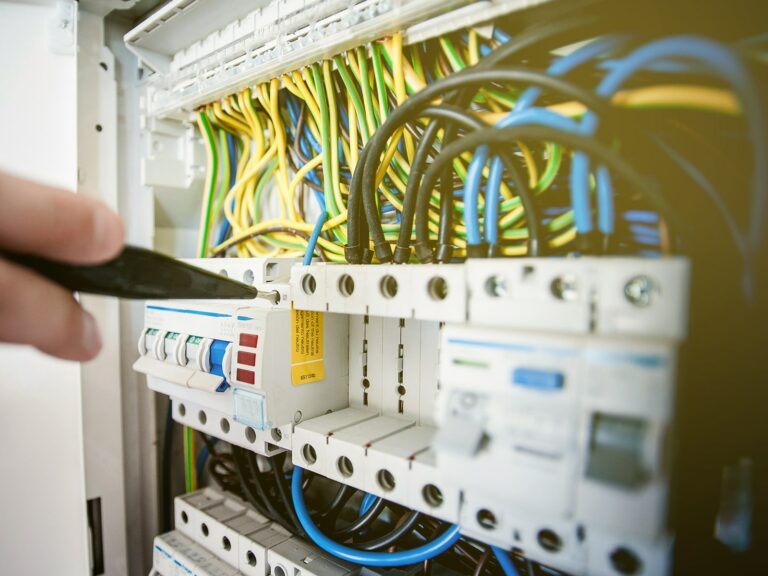
Electrical permits are where momentum goes to die if no one is actively protecting it. Panels, service upgrades, EV chargers, generators, remodels—every one of them depends on approvals that move at their own pace and follow their own rules. That’s the part we manage.
Permitting Plus handles electrical permits end-to-end, working directly with jurisdictions, utilities, and inspectors to keep projects moving forward instead of circling in review.
At a glance, here’s what you’re actually getting:
- End-to-end permit management – From intake through final inspection and closeout.
- Jurisdiction-specific packaging – Applications built for how that AHJ actually reviews electrical work.
- Utility coordination – Service releases, meter swaps, and sequencing handled before they become delays.
- Active plan review tracking – We monitor, respond, and keep comments from aging quietly.
- Inspection alignment – Permit scope, approved plans, and field work positioned to match.
- Correction loop control – Structured resubmittals that close comments instead of reopening them.

What We Handle
(So You Don’t Have To)
This section exists for people who need to scan, decide, and move on. Electrical permitting is not new to us, and the scope rarely surprises us anymore.
We prepare and submit electrical permit applications, review and correct plan sets, track plan review, respond to comments, coordinate with utilities, schedule inspections, and close permits. We do this across residential, commercial, and mixed-use projects, with full awareness of how different AHJs interpret the same code.
Common electrical permits we manage include panel and service upgrades, new circuits and rewires, EV chargers, generators and transfer switches, and tenant improvements or remodels. If the work affects load, service size, or inspection sequencing, it belongs here.
When you’re ready, the handoff is simple. We take the permit. You keep the project moving.
How the Process Actually Works
Electrical permitting is a relay race run by three different agencies who don’t share a baton and may not agree the race exists. The only way it moves quickly is if the package is complete, the sequencing is correct, and someone is actively steering it through review, revisions, and inspections.
We run the process as a managed workflow, not a “submit and hope” situation. That means we plan for what the jurisdiction and utility will ask for, how they’ll ask for it, and what will slow them down.
Step 1: Jurisdiction and Scope Intake
Every electrical permit begins with a simple question that turns out to be deeply inconvenient: what, exactly, is the work—and who, exactly, is the authority having jurisdiction? The same service upgrade can be treated like a routine swap in one city and a minor epic in the next.
We confirm the project scope, property type, contractor/license requirements, and the correct jurisdiction (including special districts when applicable). This is where we prevent the most common early mistake: applying to the wrong place, under the wrong permit category, or with the wrong contractor information.
Step 2: Requirements Mapping
Jurisdictions have published requirements, and then they have requirements. Some are listed on a checklist. Others are implied by plan reviewer habits, utility policies, or local amendments.
We map what the AHJ will realistically expect for this scope: drawings, load calculations, panel schedules, one-line diagrams, site plans, manufacturer cut sheets, and any relevant energy, fire, or zoning coordination. If stamped plans are required, we surface that immediately so the project doesn’t die later in review.
Step 3: Application Packaging
A strong electrical permit application is boring in the best way. The permit reviewer should not have to guess what the work is, where it is, how it connects, or whether it satisfies basic code considerations.
We assemble a clean package that aligns the written scope, drawings, and supporting docs so they tell one consistent story. We also double-check the admin details that frequently trigger rejection: property address formatting, owner authorization, contractor license matching, valuation entries, and correct permit type selection.
Step 4: Utility Coordination and Service Sequencing
If the project touches the meter, service size, or power availability, the utility becomes a co-author of your timeline. That’s not a threat. It’s just the rules of the game.
We identify utility dependencies early—service releases, meter pulls, transformer capacity questions, or pre-approval requirements—so the permit isn’t approved but unusable. We coordinate the paperwork and sequencing so approvals line up with when power can actually be delivered or modified.
Step 5: Submission and Acceptance
Submission is not the finish line. It’s the moment the system decides whether your project is allowed to enter the building at all.
We submit through the correct channel (portal, email, in-person, or hybrid), confirm acceptance, resolve intake rejections quickly, and make sure the permit is actually in review rather than sitting in a queue because of a missing checkbox nobody told you existed.
Step 6: Plan Review Management
Plan review is where time disappears quietly. A week becomes three because a reviewer had a question, sent it into the void, and waited for an answer that never arrived.
We actively monitor the review status and communicate with reviewers when clarifications are needed. When comments are issued, we translate them into actionable revisions, coordinate updates with the design team or contractor, and resubmit in a way that clearly addresses each point. The goal is to prevent the dreaded second round of “still not what we meant.”
Step 7: Corrections, Revisions, and Re-Submittals
Corrections are normal. What isn’t normal is having corrections drag on because the response is incomplete, disorganized, or missing the exact item the reviewer flagged.
We manage corrections as a structured loop: comment intake, scope alignment, document revision, quality check, resubmission, and verification that the reviewer received what they need. We keep the paper trail clean so your resubmittal doesn’t get treated as a brand-new mystery package.
Step 8: Permit Issuance and Conditions
When a permit is approved, it may still come with conditions: required inspections, posted documents, special notes, or utility holds. These are easy to miss and expensive to discover at the worst moment.
We confirm issuance, capture all conditions, and make sure the permit set you’re using in the field matches the approved set. This prevents avoidable inspection failures caused by using an outdated plan page or missing a required detail.
Step 9: Inspection Scheduling and Readiness
Inspections fail for two broad reasons: the work isn’t ready, or the permit information doesn’t match the work. The first is a field issue. The second is a process issue. We control the second one.
We coordinate inspection scheduling according to jurisdiction rules, verify the correct inspection type is requested, and help ensure the permit reflects what the inspector is about to see. When jurisdictions require specific sequencing—rough before insulation, service before final, or specialty inspections—we keep that order intact.
Step 10: Closeout and Record Cleanliness
A permit that isn’t closed is a future problem waiting patiently. It complicates property transactions, triggers compliance notices, and creates a bureaucratic scavenger hunt months later.
We track required finals, ensure outstanding items are resolved, and push permits through closeout. Clean records are the quiet difference between “smooth project” and “why are we dealing with this again.”
Why Electrical Permits Stall Projects
Electrical permits stall projects because the system is optimized for caution, not speed. That’s not a complaint. It’s just how public safety and bureaucracy shake hands. Your timeline is the thing that gets squeezed in the middle.
Most delays are preventable, but only if someone is watching for the specific tripwires that electrical work tends to hit: missing technical documentation, misaligned scope, utility sequencing, reviewer assumptions, and inspection logistics.
Intake Rejections Disguised as “Minor Issues”
Before a plan reviewer ever looks at your project, intake staff decide whether your application is complete enough to enter review. This is where many projects lose days without realizing it.
Common reasons include mismatched contractor information, incorrect permit type selection, missing owner authorizations, portal formatting errors, or required supporting documents that weren’t attached the way the portal expects. None of this is electrical work. All of it blocks electrical work.
The fix is not heroic. It’s meticulous. The application must be packaged so intake has zero reasons to bounce it back.
Scope Drift Between the Application and the Drawings
Electrical permits stall when the narrative doesn’t match the documents. The application might say “service upgrade,” but the drawings imply a panel relocation, added loads, or new equipment. Reviewers then pause to clarify scope, and your permit enters the land of unanswered questions.
Scope drift can also happen when a project evolves after drawings were created. The electrician updates the plan in the field, but the permit still reflects an earlier version of reality. Reviewers and inspectors do not enjoy being surprised by reality.
We prevent this by aligning scope, drawings, and supporting documents before submission and keeping them aligned through revisions.
Load Calculations and Service Sizing Problems
Service upgrades and added loads are the classic stall point. Even when the work is straightforward, reviewers want confidence that the service size is correct, the load calculation method is acceptable, and the proposed equipment matches the electrical story.
A load calc that is missing, unclear, inconsistent with the panel schedule, or using a method a specific jurisdiction doesn’t accept will slow review. Sometimes it triggers a full re-submittal. Sometimes it triggers a request for stamped design.
The goal is to present load and service sizing in a way that answers questions before they’re asked.
Utility Dependencies Nobody Scheduled For
If the utility needs to approve, release, swap, or energize anything, you now have two timelines: the jurisdiction’s and the utility’s. They do not coordinate for you.
Projects stall when the permit is approved but a utility release wasn’t initiated, or when the utility requires pre-approval documentation that wasn’t gathered early. In some cases, utility requirements dictate the order of inspections, meter changes, or service activation.
We manage utility coordination as part of the permitting plan, not as an afterthought discovered on the day power is supposed to turn on.
Jurisdiction Variability and “Local Ways”
Code is code, but local amendments, interpretation habits, and reviewer expectations vary dramatically. One jurisdiction may accept a simple diagram; another may expect a full one-line. One may treat EV chargers like a routine branch circuit; another may treat them like a mini service redesign.
Permits stall when a submission assumes the most permissive interpretation and lands in a jurisdiction that expects more. The reviewer then requests additional documentation, which triggers redesign time, resubmittal time, and another trip through the queue.
We plan submissions based on how that jurisdiction actually behaves, not how we wish it behaved.
Plan Reviewer Questions That Sit Unanswered
A reviewer question can quietly add a week or more. Sometimes it’s a formal comment. Sometimes it’s an email. Sometimes it’s an internal note that stalls review until someone clarifies a detail.
When the person who submitted the permit isn’t monitoring communications, reviewers wait. When a response is vague, reviewers ask again. Each loop is a time tax.
We monitor, respond, and keep the conversation moving in a way that reduces back-and-forth and prevents avoidable second rounds.
Correction Cycles That Don’t Fully Close the Loop
Resubmittals fail when they do not clearly address each comment. A revised plan page gets uploaded, but the reviewer cannot see what changed. Or a response letter is submitted, but the supporting drawing wasn’t updated.
That leads to the classic outcome: “Please address previous comments.” Translation: you paid for the privilege of waiting again.
We manage correction cycles as a checklist-driven loop with clear documentation so reviewers can verify compliance quickly.
Inspection Scheduling and Inspection Type Errors
Even after permit issuance, projects stall at inspection because the wrong inspection type was requested, the jurisdiction requires a different sequence, or the permit scope doesn’t match what’s installed.
A failed inspection isn’t always about workmanship. It can be administrative. The permit may list a scope that doesn’t include what the inspector sees, or the approved plans may not be the set on site. These are avoidable failures, and they create delays that ripple into other trades.
We reduce this risk by keeping permit details accurate, confirming inspection requirements, and coordinating scheduling based on jurisdiction rules.
Expirations, Holds, and Quiet Administrative Traps
Some permits expire if inspections aren’t called within a certain window. Some get placed on hold if fees aren’t paid, documents aren’t uploaded, or conditions aren’t met. These holds are not always loudly announced.
Projects stall when a permit looks “active” but can’t move forward because a condition wasn’t satisfied or a deadline was missed. The fix then becomes reactive, and reactivation can take time.
We track timelines, conditions, and statuses so the permit doesn’t quietly slip into a bureaucratic timeout.
The Real Problem: No One Owns the Middle
Most stalls happen in the middle spaces: between submission and acceptance, between a reviewer question and a response, between an approved permit and a utility release, between a scheduled inspection and a permit that actually matches the work.
We own those middle spaces. That’s the service. Not just filing forms, but preventing the slow-motion problems that turn a simple electrical permit into a schedule hazard.
Who This Is For
Licensed Electricians
Electricians know how to pull permits, but doing it themselves means time away from crews, trucks, and jobs that actually generate revenue. Every hour spent navigating portals, correcting forms, or chasing reviews is an hour not spent running work.
We step in as the permitting arm, keeping paperwork, reviews, and inspections moving while electricians stay focused on installations. The permit progresses without becoming a second job.
General Contractors and Builders
Electrical permits are often the gating item that holds up inspections, utility releases, and downstream trades. When they stall, schedules unravel fast.
We manage electrical permits with full awareness of how they impact the broader project timeline, keeping approvals aligned so electrical work doesn’t become the bottleneck.
Property Owners and Developers
For owners, electrical permitting is usually unfamiliar territory with high stakes. Missteps can mean long delays, unexpected redesigns, or utility complications that weren’t anticipated.
We act as the buffer between ownership and the permitting system, translating requirements, managing approvals, and reducing risk without forcing owners to become permitting experts.
Hand Off the Permit
Electrical work is technical enough without adding administrative risk. Once we have the scope, plans, and jurisdiction, we take responsibility for the permit and its progress.
Permitting Plus handles the approvals. You keep the project moving.