



Industrial Water Reuse: How Plants Recover, Treat and Reuse Their Own Water
Industrial Water Reuse: How Plants Recover, Treat and Reuse Their Own Water By Sean Alford, Permitting Plus Industrial water reuse means treating the wastewater a plant has already produced and putting it back to work, instead of drawing new water in and sending used water out. For most industrial sites,
Mechanical Vapor Recompression Evaporators: How They Work and What They Cost to Run
Mechanical Vapor Recompression Evaporators: How They Work and What They Cost to Run By Sean Alford, Permitting Plus Mechanical vapor recompression, usually shortened to MVR, is an evaporation system that reuses its own steam. The water boiled off the brine is compressed, which raises its temperature, and then used to
Minimal Liquid Discharge: When 95 Percent Recovery Is the Right Answer
Minimal Liquid Discharge: When 95 Percent Recovery Is the Right Answer By Sean Alford, Permitting Plus Minimal liquid discharge, usually shortened to MLD, means recovering most of the water from an industrial wastewater or desalination concentrate stream, typically 90 to 98 percent, and disposing of the small concentrate that remains
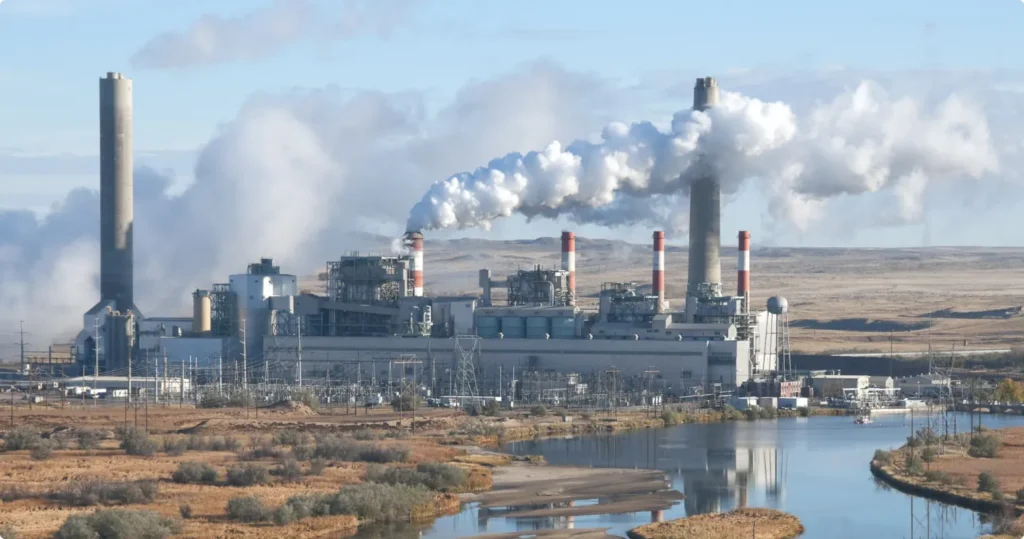
Brine Valorization: Turning Reject Brine Into Salt, Caustic Soda and Acid
Brine Valorization: Turning Reject Brine Into Salt, Caustic Soda and Acid By Sean Alford, Permitting Plus Brine valorization means taking the concentrated reject stream from a desalination plant or an industrial process and turning it into products you can sell: water, salt, caustic soda, hydrochloric acid, sodium hypochlorite, and in
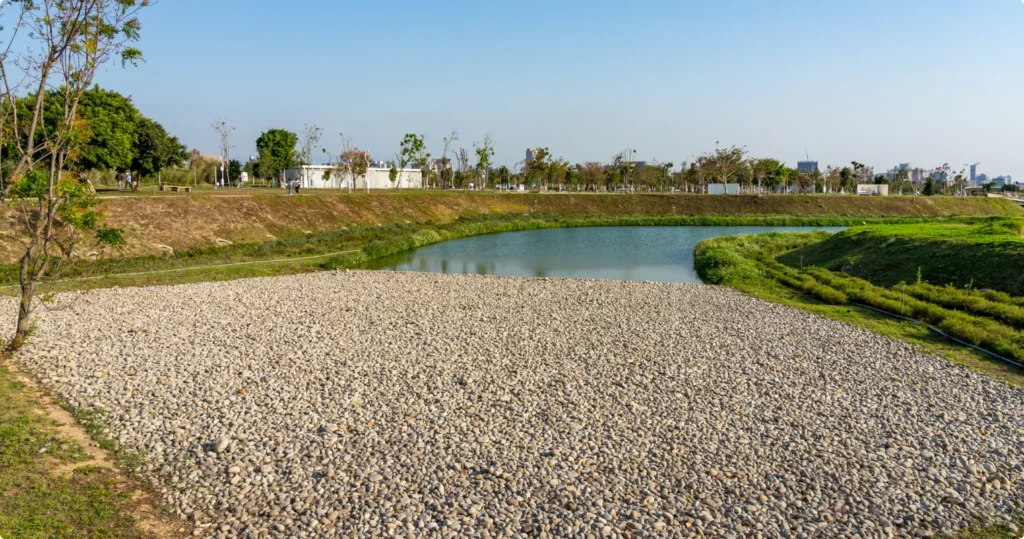
Evaporation Ponds for Brine: How They Work, When They Are Permitted, and the Enclosed Alternative
Evaporation Ponds for Brine: How They Work, When They Are Permitted, and the Enclosed Alternative By Sean Alford, Permitting Plus An evaporation pond is the simplest way to get rid of brine. You pump it into a lined, shallow basin and let the sun and wind take the water away,
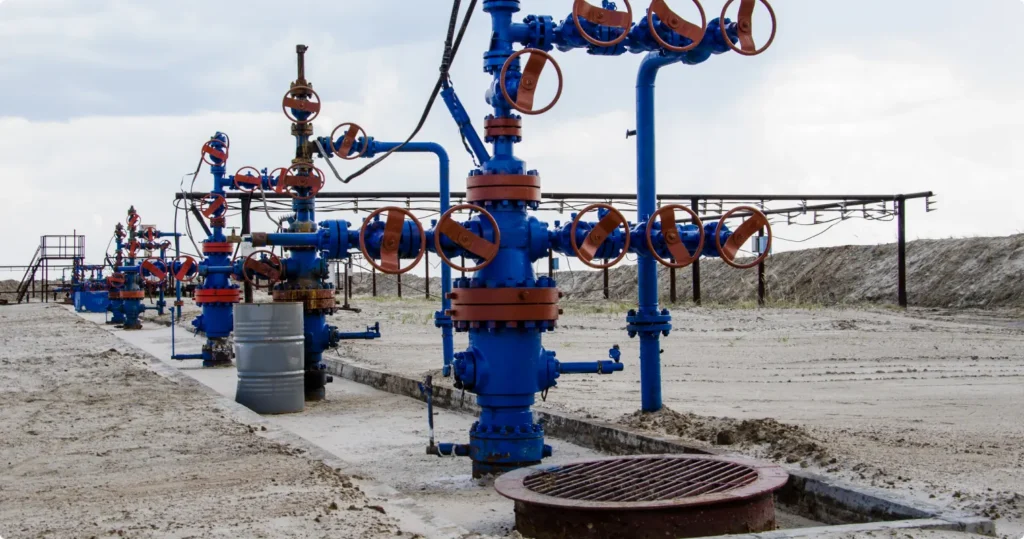
Brine Disposal Methods: Ocean Outfall, Injection Wells, Evaporation Ponds and Sewer Discharge Compared
Brine Disposal Methods: Ocean Outfall, Injection Wells, Evaporation Ponds and Sewer Discharge Compared By Sean Alford, Permitting Plus There are five ways to dispose of brine: discharge it to the sea or a river, inject it into a deep well, evaporate it in a pond, send it to a sewer,