
Environmental Permitting Services
Why Environmental Permitting Gets Easier When Permitting Plus Handles The Maze
The fast version for busy humans


What you get when we’re on your side of the table
Why clients contact Permitting Plus early

What Actually Triggers Environmental Permitting On A Site
Grading, clearing, drainage, and site changes that wake up reviewers fast
A project does not need to look enormous to trigger environmental permitting. The minute a site involves land disturbance, drainage changes, discharge risk, utility work, fill activity, waste handling, or changes tied to water, review starts getting real. One permit question can quickly turn into several, especially when multiple agencies want different information for the same job. That is why smart clients bring Permitting Plus in before the shovel hits dirt and the paperwork starts free-climbing into madness.
We help identify where the project may touch local, state, and federal thresholds, which permits may apply, and what supporting information needs to be ready before submittals begin. For a growing development, that can mean looking at grading plans, utility layouts, drainage paths, discharge points, operational impacts, and surrounding community concerns early enough to stop a small issue from mutating into a larger review problem.
When a “small” scope change suddenly becomes a real permit issue
A project can start simple and still end up needing broader environmental review. Add a new outfall. Shift work closer to a regulated area. Expand the footprint. Change the sequence. Increase utility demand. Introduce a process that affects air, water, or site-generated waste. Now the original permit path may not cover the full scope, and the review can widen across additional programs, program requirements, or agency comments.
This is where projects get jammed up. Someone assumes the original filing still works, then a reviewer asks for revised information, additional state forms, or more detail tied to epa expectations. Suddenly the job needs updated narratives, new drawings, more coordination, and a cleaner explanation of how the work will act on the site and the surrounding community. That is not the moment to start guessing. That is the moment to have a real permitting strategy.
Environmental permitting red flags hiding in ordinary development plans
A lot of environmental permitting trouble hides inside ordinary-looking development documents. Drainage revisions. Utility changes. Material storage. Demolition sequencing. Temporary controls. Operational changes at facilities. Even routine site work can trigger review when regulations connect the activity to runoff, emissions, discharge, or handling standards enforced by state, local, federal, or epa-related programs.
Permitting Plus helps clients catch those red flags before the file reaches reviewers. We look at the real scope, the likely agency touchpoints, and the best route for submission. That includes spotting when one permit is not enough, when the gov side will expect additional resources, and when the project needs tighter documentation to avoid avoidable delays. Our services are built to keep projects moving without pretending the rules do not exist.
When you need environmental permitting handled with less confusion and more control, contact Permitting Plus before review comments start piling up like a bad franchise with no self-awareness.
The Federal, State, And Local Layers Nobody Asked For but Still Has To Deal With
Federal oversight without the alphabet-soup migraine
Some projects trigger federal review even when the owner thought this would be one tidy little permit exercise and a couple of forms. Then the site plan touches protected areas, discharge concerns, drainage impacts, or review categories tied to epa expectations, and suddenly the file has more moving parts than anyone budgeted for. This is where environmental permitting stops feeling like routine admin and starts acting like a full-contact coordination sport.
Permitting Plus helps clients sort out which approvals belong at the federal level, which supporting information needs to match the application, and how the broader development plan should be framed before the wrong detail starts a chain reaction. That matters because one weak submittal can lead to more questions, more agency review, and more time spent explaining what the project is actually trying to do.
State review is where many projects get stuck
Then comes the state layer, which is where a lot of projects lose momentum. One state office may focus on technical completeness. Another may care about sequence, supporting resources, or whether the proposed program path makes sense for the actual scope. Add state standards tied to waste, water, discharge, or related regulations, and the review can tighten fast.
This is why Permitting Plus does not treat state review like a paperwork handoff. We organize project information, align the narrative with the drawings, and help clients respond when epa or state comments expose a gap between what the plans show and what the application claims. That kind of cleanup is much easier before filing than after reviewers start circling problems with bureaucratic joy.
Local offices, boards, and the final reality check
Even when broader approvals are in motion, local review can still decide how smoothly the project moves. Municipal reviewers may want more information, more detail on operations, or better alignment with site-specific conditions affecting the surrounding community. For some jobs, local boards, planning groups, or review bodies can influence timing, direction, and what gets approved without another revision spiral.
Permitting Plus helps clients move through those layers without treating each office like a separate universe. Our services support coordinated permitting across local, state, and federal review, while keeping the larger development strategy intact. That gives owners a cleaner path through environmental requirements, fewer surprises from public agencies, and a better shot at keeping the project alive, moving, and out of regulatory slapstick.
A lot of teams assume the hard part is identifying the first permit. It is not. The hard part is understanding how the review layers interact once comments begin. A federal question can affect a state response. A state response can trigger a local request for revised information. One comment about site controls, operations, or community impact can force the whole development package to be tightened before anyone signs off. That is why our services focus on coordination, not just filing. We help clients track the sequence, answer agencies clearly, and keep epa-linked concerns, technical programs, and jurisdictional expectations from turning into a months-long guessing game.
When that coordination happens early, owners get fewer contradictory requests, cleaner submittals, and a shot at keeping approvals aligned with schedule, budget, and field reality instead of reacting to every comment like an ambush in office clothing.
Epa Programs And Environmental Rules Without The Usual Coma-Inducing Lecture
Why EPA programs keep showing up in real projects
This is the part where owners realize epa is not just some distant acronym floating around in the background like set dressing. For many projects, epa expectations shape the review path, the required information, and the level of detail needed before anyone is comfortable moving forward. If a site involves discharge, site disturbance, operational impacts, waste, or water-related controls, epa-connected programs can influence how the file is prepared and how reviewers read it.
Permitting Plus helps clients make sense of that without turning the process into an academic hostage situation. We help organize environmental documentation, align project details with the right state and agency expectations, and keep the submission focused on what matters. That means cleaner files, fewer avoidable questions, and a smarter route through development review when epa standards are part of the landscape.
The permits, programs, and records that shape review comments
A lot of project teams think the hard part is filing. It is not. The hard part is giving reviewers the right information in the right format so they do not come back asking for five more rounds of clarification and a blood sample. When epa standards are part of the picture, the quality of the record matters. That can include site narratives, support documents, operating details, drainage data, control measures, prior approvals, and the technical resources that explain what is happening on the property and around the affected community.
This is where Permitting Plus adds actual value instead of just becoming another inbox with a logo. We coordinate the supporting information, line up the right program expectations, and help clients avoid submission gaps that trigger more comments from state reviewers or epa-influenced review channels. Stronger files help projects move. Sloppy files get treated like they showed up wearing clown shoes.
Environmental permitting under EPA pressure
When environmental review touches epa oversight, speed depends on preparation. Reviewers want consistency between the application, the drawings, the technical backup, and the real site conditions. If those pieces do not match, the process slows down, confidence drops, and the project starts collecting comment letters like cursed trading cards.
Permitting Plus helps reduce that drag. We support environmental planning, application strategy, and document coordination for clients who need more than basic filing services. We help projects prepare for epa scrutiny, respond with better information, and move through agency review with fewer surprises. For active development work, that means better organization, better communication, and a stronger position when timelines are already tight.
Our job is to help clients face epa review without letting it hijack the whole project. We keep the file organized, keep expectations clearer, and keep your team from losing weeks to preventable confusion. Contact Permitting Plus when you need environmental guidance that is practical, fast-moving, and built for real-world approvals instead of theoretical perfection.
Water, Wastewater, and Waste Issues That Can Make or Break Approval
Stormwater, runoff, and discharge planning
The minute a project starts changing drainage patterns, disturbing soil, redirecting runoff, or creating new discharge questions, the review gets sharper. This is where epa expectations, state standards, and practical site planning all start leaning on each other at once. A team may think it is dealing with one narrow approval path, then discover the site needs a broader environmental approach because stormwater controls, receiving conditions, and supporting records all have to line up. That is where permitting gets less theoretical and a lot more expensive if nobody is steering.
Permitting Plus helps clients get ahead of that pressure. We organize the information, review site conditions, and support a clearer strategy for handling runoff, erosion controls, discharge questions, and related water concerns before the file turns into a comment magnet. For active development work, that early coordination matters because agencies do not care how confident the project team sounded in the meeting if the submission itself is thin, messy, or missing basic support.
wastewater management solutions and where they fit
Projects involving process flow, utility connections, treatment questions, discharge planning, or operational changes often need more than a generic filing package. They need actual wastewater management solutions tied to the site, the intended use, and the right review path. That can involve epa-driven expectations, programs administered at the state level, and technical review from local or regional agencies that want the numbers, the narrative, and the operational information to match.
This is where Permitting Plus helps clients stay organized instead of improvising in front of reviewers. We coordinate application support, identify the likely program issues, and help structure the submittal so the project is not trying to explain major waste and water decisions halfway through review. Good permitting starts with cleaner planning. Better planning creates fewer contradictions. Fewer contradictions give the project a real chance to move without becoming a cautionary tale told in conference rooms.
Waste handling, storage, and disposal expectations
Handling waste on a project site sounds simple until the rules, operations, and real-world site conditions collide. Storage areas, material separation, disposal methods, emissions, containment planning, and site activity can all trigger more environmental scrutiny than expected. Depending on the scope, that may involve epa guidance, state oversight, public resources, and programs focused on how a site will act once it is operating, not just how it looks on paper.
Permitting Plus helps clients address those issues before the reviewers do it for them with extra comment letters and a suspiciously cheerful request for revisions. Our services support project teams that need better organization, better submission quality, and better alignment between the application and the real site plan. That includes helping clients think through air concerns, operational controls, and site impacts that can affect the broader community when development moves from concept to active work.
When environmental permitting touches stormwater, wastewater, or site-generated waste, contact Permitting Plus early. We help clients move through the process with better planning, stronger files, and a lot less regulatory slapstick.
Why Wastewater Planning Needs More Than A Last-Minute Fix
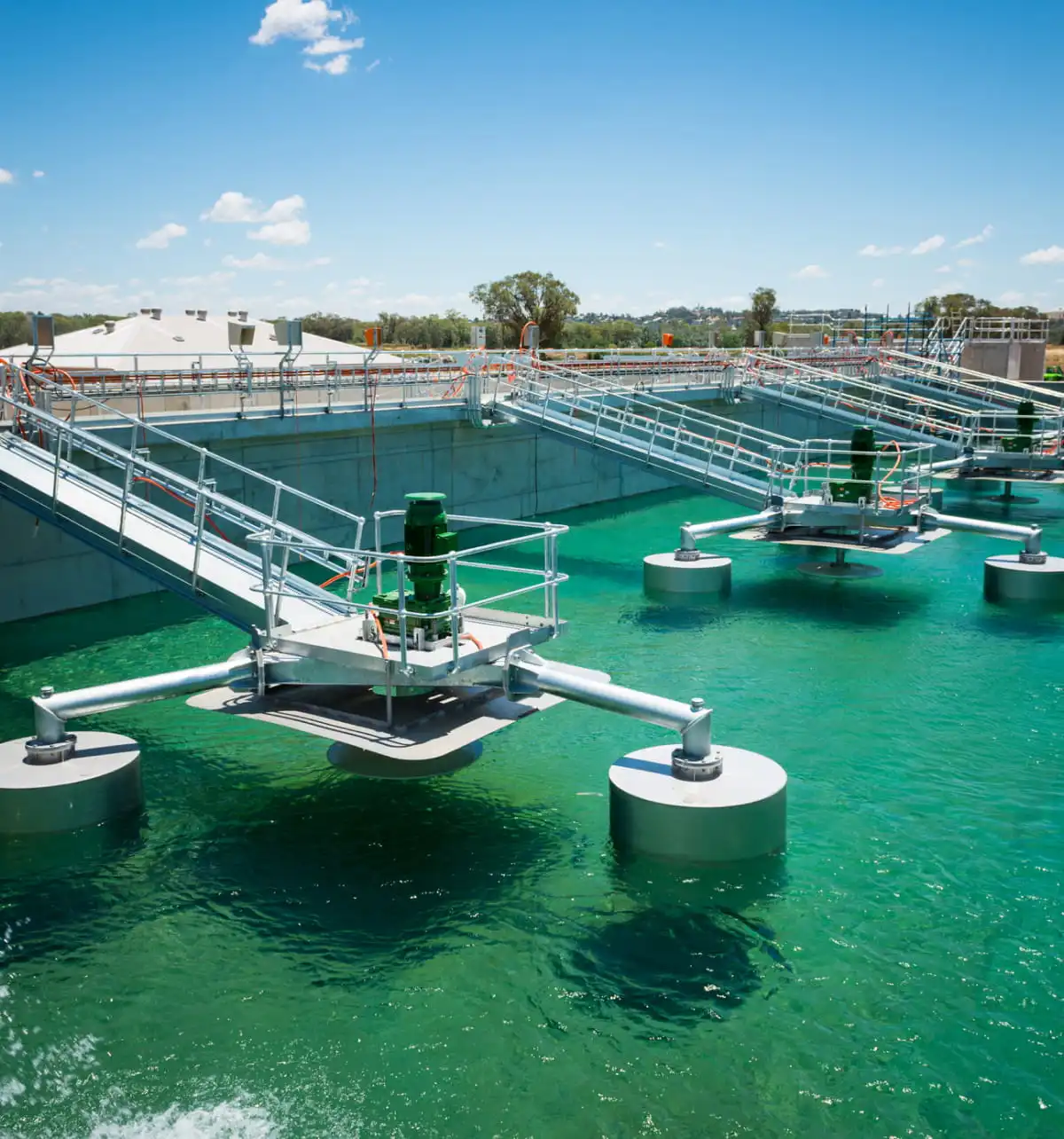
Site flow, discharge risk, and system pressure all change the review
Wastewater issues rarely stay small for long. A project can look manageable on paper, then site flow, discharge points, utility capacity, operational demands, and treatment questions start colliding in ways that force a much closer look. That is why we push clients to treat wastewater planning like a core project issue instead of a side note tucked behind drawings and crossed fingers.
The real problem is not just whether a site produces wastewater. The problem is whether the project team understands what that means for the file, the sequence, and the level of backup needed to move forward cleanly. A site with changing use patterns, heavier process demand, added connections, or more intense operational activity can create questions that ripple through epa review, state oversight, and local utility expectations all at once. When that happens, small gaps become expensive gaps.
We help clients get ahead of that. We look at how wastewater conditions connect to the real scope of work, the proposed operations, and the surrounding community impact. That gives the project a stronger starting point and helps keep the record aligned before reviewers start pulling at loose threads.
Utility coordination and operational reality have to match
One of the most common failures in wastewater-related files is simple: the paperwork assumes a cleaner, easier operating picture than the site will actually produce. The plans may show one level of demand while the real use pattern suggests another. The narrative may gloss over handling methods, pre-treatment expectations, storage conditions, or discharge timing. Then reviewers start asking the kind of questions nobody enjoys answering under deadline.
We help close that gap by making sure the site story matches operational reality. That includes looking at utility coordination, discharge assumptions, treatment needs, and the practical effect the project may have on downstream systems. For some sites, that means tighter technical backup. For others, it means better organization around programs, clearer handling details, or a more defensible path through federal and state review.
This matters even more for growing portfolios, phased jobs, and repeat development work. If one file understates the wastewater load or ignores how the site will actually function, the damage does not stay neatly contained. It affects timeline, credibility, and how the next round of comments lands. We would rather build the stronger version early than explain the weak version later.
Better wastewater planning protects the whole project
Wastewater planning is not isolated from the rest of the job. It affects schedule, scope, cost, coordination, and how the larger project is understood by reviewing agencies. It can influence whether related permits stay aligned, whether water assumptions hold up, whether site operations trigger broader environmental concerns, and whether the overall program path still makes sense after closer review.
That is why we treat wastewater work as part of the project strategy, not an afterthought. We help clients organize records, strengthen support, and reduce contradictions before they start multiplying through the file. Our services are built to help teams respond with cleaner documentation, tighter explanations, and a better grip on site-specific regulations, discharge questions, and operational impacts. When needed, we also help connect wastewater planning to broader resources, utility conversations, and compliance expectations so the file moves with less friction.
If your project includes process flow, system demand, discharge concerns, or facility changes that could affect wastewater handling, bring us in early. We help turn a reactive mess into a structured path that protects momentum, supports the broader development, and gives the project a better chance of moving without avoidable setbacks.
Building The Application Package Before Agencies Ask For The Missing Pieces
Site data, plans, and technical information that reviewers expect
A strong application package is not just a stack of forms with optimistic energy. It is a coordinated set of drawings, narratives, supporting information, and technical backup that tells reviewers exactly what the project is, what the site is doing, and why the requested permit path makes sense. When epa review pressure is anywhere near the job, that package needs to be tighter, cleaner, and a lot more deliberate than most teams expect.
Permitting Plus helps assemble the pieces that agencies want to see before comments start multiplying. That includes site details, operational descriptions, drainage support, utility context, control measures, prior file history, and the project information needed to show how the proposed development lines up with the correct review route. When those materials are weak, reviewers start asking for more. When they are organized, the file has a better chance of moving through epa-linked channels, state review paths, and related agency review without turning into a rerun of the same request three different ways.
Matching the permit strategy to the actual development plan
One of the easiest ways to derail a filing is to submit documents that do not match the real project. The narrative says one thing. The drawings suggest something else. The site operations imply a third issue entirely. Then reviewers start asking which version they are supposed to trust. That is how one permit question turns into multiple permits, added program concerns, and a whole new round of document cleanup.
Permitting Plus works to line up the filing strategy with the real scope from the start. We help clients connect the submittal package to the actual development plan, identify which programs are likely to matter, and organize the supporting resources needed to back up the request. That matters even more when epa scrutiny is involved, because epa reviewers and related agencies are not grading on effort. They want consistency, usable records, and clear support for the requested approvals.
Environmental permitting packages that do not scream “please reject me”
Good packages reduce confusion. Better packages reduce delay. The best ones help reviewers see that the project team understands the site, understands the scope, and understands the regulations shaping the request. That is where Permitting Plus brings real value. We do not just shuffle papers into a portal and hope for mercy. We help clients prepare environmental packages with cleaner structure, stronger backup, and clearer positioning around epa expectations, site conditions, and project needs.
Our services are built for clients who need real coordination, not decorative admin. We support teams that need better program alignment, stronger technical resources, and a more credible path through agency review. For projects that affect a surrounding community, touch sensitive site conditions, or require multiple permits, that preparation can save serious time. Contact Permitting Plus before the application package starts freelancing and creating its own problems.
Agencies, Commissions, And Reviewers: Who Does What And Why They Keep Emailing Back
The agencies that review, comment, and slow everything down
Not every reviewer is checking the same issue, and that is exactly why projects start tripping over themselves. One office may care about whether the file supports the requested permit. Another may focus on state standards, federal oversight, or whether the site plan lines up with applicable regulations. Another may be watching water controls, waste handling, operational impacts, or how the work affects nearby properties. Then epa review expectations show up and remind everyone that vague files do not age well.
Permitting Plus helps clients sort those layers before the comment cycle becomes its own side business. We identify which agencies are likely to weigh in, what the common review pressure points look like, and where the record needs to be tightened before a weak explanation creates a bigger delay. For active development work, that means better organization, clearer support, and fewer contradictions between the narrative, drawings, and requested approvals.
Where a commission or board can change the direction
Some projects also end up in front of a commission, board, or public review group that can influence timing, conditions, and the larger direction of the file. This is where the surrounding community starts carrying more weight. Drainage, visibility, site operations, access, and adjacent impacts can all become part of the conversation, even when the project team expected a straight administrative path.
Permitting Plus helps clients prepare for that layer too. We support better records, clearer positioning, and stronger alignment between the plans and the real scope of work. That matters because a commission question can trigger more epa scrutiny, more state review, or more requests tied to project programs, site conditions, and public concerns. When the file is cleaner from the start, the whole process gets less chaotic.
How better responses cut down the back-and-forth
A surprising amount of delay comes from bad replies. Reviewers ask one question, the response answers half of it, and the revised plans introduce a new inconsistency that keeps the file moving in circles. That is how time disappears, budgets get annoyed, and project teams start pretending they totally love another round of comments.
Permitting Plus helps break that cycle. Our services focus on cleaner submittals, stronger response strategy, and better coordination across reviewing agencies. We help clients answer epa comments, address state and federal concerns, and keep project resources, technical support, and submission logic tied to the same record. For projects with public visibility or broader community impact, that kind of coordination matters. It gives reviewers clearer answers, gives owners a stronger position, and gives the development team a better shot at moving forward without another avoidable stall.
If your project is getting bounced between offices, boards, and reviewers, contact Permitting Plus before the next comment round starts writing its own sequel.
If your project is getting bounced between offices, boards, and reviewers, contact Permitting Plus before the next comment round starts writing its own sequel.
Common Mistakes That Turn A Manageable Permit Into A Bureaucratic Boss Battle
Incomplete information and mismatched plans
A project can have the right intent and still crash into review problems because the file does not tell one clean story. The narrative says one thing, the drawings suggest another, and the backup leaves reviewers guessing about controls, timelines, site conditions, or scope. That is how a routine permit review turns into repeated requests, extra comments, and long stretches of everyone pretending the job is still “basically moving.”
Permitting Plus helps clients catch that mess before it spreads. We look for gaps in site details, conflicts in support documents, and weak spots that can trigger more epa questions, more state scrutiny, or more technical review tied to federal standards and project regulations. For active development work, consistency matters. Reviewers do not reward effort. They reward files that actually line up.
Pretending one permit solves the whole problem
Another common mistake is acting like the first approval is the whole game. It is not. One permit may open the door, but related permits, compliance conditions, and follow-up reviews can still shape what happens next. Projects involving drainage, discharge, waste, site operations, or public impacts often connect to multiple programs, multiple review layers, and more than one agency expectation.
That is why Permitting Plus helps clients look at the full path instead of chasing one checkbox at a time. We map where epa concerns may overlap with state administration, where a program can expand the file, and where the surrounding community may influence pace, comments, or conditions. That broader view helps owners avoid the classic mistake of solving one problem while quietly creating three more.
Waiting too long to talk to the right people
A third mistake is waiting until comments arrive to get organized. By then, the schedule is already under pressure, the team is reacting instead of planning, and the file may already be stuck between reviewing agencies that each want a cleaner answer. Late coordination usually means more revisions, more confusion, and more time spent explaining why the record does not match the real scope.
Permitting Plus helps stop that cycle early. Our services support clients who need a smarter filing strategy, stronger backup, and clearer communication before review gets crowded. We help teams line up technical resources, strengthen project support, and prepare for issues tied to air, water, site impacts, and broader community concerns. That gives the development team a stronger position, keeps epa comments from snowballing, and makes it easier to move forward without unnecessary damage to schedule or sanity.
Contact Permitting Plus before a manageable file turns into a bureaucratic boss battle with bonus rounds.
How Permitting Plus Moves Environmental Permitting From Chaos To Controlled Progress
The fastest way to lose momentum is to treat filing like clerical work instead of project strategy. Permitting Plus starts earlier than that. We look at scope, site conditions, reviewer pressure points, likely epa concerns, and the order in which approvals should move. That matters because the wrong sequence can create duplicate reviews, conflicting comments, and delays that have nothing to do with the quality of the project itself.
Our role is to help clients build a cleaner path. That means identifying which permit requests belong first, which supporting records need to be in place, where state and federal review may overlap, and how project development goals should be framed so the file makes sense from the start. It is less about throwing paper at a portal and more about keeping the process from mutating into administrative slapstick.
Projects move better when the people involved are not working from five different versions of reality. Permitting Plus helps coordinate owners, engineers, consultants, and reviewing agencies so the submittal record stays cleaner and the response cycle stays shorter. We help organize project support, align technical resources, and keep the requested permits tied to the actual scope instead of whatever version of the project happened to be sitting in someone’s inbox three weeks ago.
That coordination becomes even more important when a project touches site controls, public visibility, air concerns, drainage questions, or issues that affect the surrounding community. We help clients respond to epa comments, navigate state review, and support the overall program path with stronger records and clearer communication. Our services are built for real projects with real deadlines, not fantasy schedules that fall apart the moment a reviewer asks a follow-up question.
Some firms file forms. Some firms disappear the second comments land. Some firms somehow make a simple approval path feel like an endurance sport designed by bored office goblins. Permitting Plus takes a different approach. We stay involved, help clients adapt when review shifts, and keep the file moving with stronger support, faster coordination, and a better grip on the rules shaping the job.
That matters when epa expectations tighten, when regulations start pulling in more detail, or when a project needs better handling of air, site activity, operational impacts, or broader community concerns. It also matters when owners need actual guidance instead of generic status updates. Permitting Plus provides practical services for teams that need a smarter route through approvals, stronger project support, and a clearer connection between the requested permit path and the real-world development plan.
If your project needs less confusion, fewer stalls, and a team that can help keep approvals moving, contact Permitting Plus before the next review cycle starts inventing new problems.
Timelines, Revisions, And Project Momentum When The Review Clock Starts Ticking
What affects timing more than people admit
Project teams love pretending the schedule is a fixed object. Reviewers, unfortunately, do not. Timing shifts for reasons that are painfully predictable: weak backup, inconsistent drawings, missing information, added comments from epa, overlapping state and federal review, and late changes to the real scope of the development. One missing detail can slow the file. Three missing details can turn the schedule into interpretive dance.
We help clients get more realistic about timing before the review cycle starts making those decisions for them. We look at the likely pressure points, the order of approvals, and the parts of the record most likely to trigger delay. That means better preparation for programs, stronger support for required permits, and a cleaner path when multiple agencies may comment on the same job from different angles.
How revisions should be managed instead of feared
Revisions are not automatically a disaster. Badly handled revisions are. A good revision responds to the actual comment, keeps the file consistent, and fixes the issue without creating two new ones somewhere else in the drawings or backup. A bad revision answers half the question, changes unrelated details, and invites another round of comments that nobody had time for in the first place.
We help clients manage revisions with less chaos. We support clearer response packages, tighter records, and better coordination when epa comments, state questions, or site-specific regulations require changes. We also help teams keep technical resources, supporting documents, and project explanations aligned so the next review round does not feel like a sequel nobody asked for. For projects involving water, air, operations, or site-generated waste, that coordination matters even more because small inconsistencies can create outsized delay.
Keeping development moving while approvals are still in play
The goal is not just to get comments answered. The goal is to keep the project moving without letting the review process hijack the entire schedule. That takes planning, communication, and a realistic sense of what can move forward while approvals are still being addressed. It also takes a team that knows when a quick fix is actually risky and when a temporary stall will save much larger problems later.
We provide services that help owners and project teams protect momentum while staying organized. We help clients prepare stronger responses, track review status, coordinate across agencies, and keep the full program path connected to the actual permit strategy. That is especially useful when a project affects the surrounding community, relies on public resources, or needs several approvals to stay synchronized instead of drifting apart. Better coordination helps the development team hold onto time, reduces confusion, and gives the project a stronger chance of moving through review without getting buried under preventable rework.
When timing matters, contact us early. It is much easier to protect momentum before the clock starts eating the schedule alive.
Environmental Permitting For Growing Companies, Multi-Site Work, And Repeat Development Teams
Scaling the process across multiple facilities or jurisdictions
Growth sounds great until one project becomes three, one site becomes six, and every jurisdiction decides it has its own special way to review the same basic request. That is where we help. We support clients with repeat development work, expanding footprints, and multiple facilities that need a cleaner process instead of a new administrative panic attack every time a file opens.
Multi-site work creates overlap, but it also creates risk. One location may draw heavier epa attention. Another may trigger stricter state review. A third may involve different federal expectations, a different program, or different local staff asking for a different level of information. We help clients keep those moving parts organized so the overall strategy stays coherent while each file still reflects the actual site conditions, operations, and approval path.
Standardizing information without forcing every site into the same box
Templates help, but blind copying gets projects in trouble fast. A repeated filing process should create consistency, not laziness. We help clients reuse what should be reused, tighten what should be tightened, and adjust the record where site conditions, water issues, air concerns, waste handling, or public-facing impacts make one location materially different from another.
That matters because reviewers expect the file to match the site in front of them, not the last site your team worked on two counties ago. We help clients build repeatable systems around documents, comments, and technical resources, while still shaping each permit package to the real scope. For clients managing multiple jobs at once, that balance helps reduce rework, keeps programs aligned, and gives us a better chance to move projects without turning every submission into a separate reinvention of the wheel.
A better operating rhythm for owners, developers, and contractors
Repeat clients do not just need approvals. They need a process that can survive growth. We help create that rhythm by supporting cleaner records, smarter sequencing, and a more stable review approach across multiple jobs. That includes helping teams act earlier on likely problem areas, act faster when comments land, and act with better coordination when one file starts affecting another.
Our services are built for owners, contractors, and project teams that need structure without bureaucracy for its own sake. We help organize submittals, align records across reviewing agencies, and keep epa and state expectations from scattering attention across too many moving pieces. For larger portfolios or repeat development work, that means fewer surprises, stronger internal coordination, and a more dependable process for your team and the surrounding community.
If your company is expanding, juggling multiple sites, or tired of rebuilding the same process from scratch, contact us early. We help create a system that scales with the work instead of fighting it.
Get Environmental Permitting Handled Before The Paperwork Starts Throwing Chairs
What to bring to the first conversation
You do not need a perfect file before you talk to us. You just need enough detail for us to see the shape of the project and where the risk is hiding. Bring the site address, current plans, known comments, past permit history, timelines, consultant documents, and anything already submitted to state, federal, or epa reviewers. If there are questions about drainage, water, air, waste, operations, or nearby impacts, bring those too. The more clearly we can see the real scope, the faster we can help build a workable path.
We are not here to admire paperwork like it belongs in a museum. We are here to identify the pressure points, organize the record, and help you move with fewer delays, fewer contradictions, and fewer expensive surprises.
When to contact us
Earlier is better. If the project is still taking shape, we can help you spot review risks before they get baked into the file. If comments have already started landing, we can help you sort out what matters, what connects to the larger program path, and what needs to happen next. If the job is expanding across multiple sites, teams, or facilities, we can help create a steadier process instead of letting every new file become its own little administrative hostage scene.
We support owners, contractors, and growing development teams that need real coordination, not generic updates and crossed fingers. Our services are built to help clients keep approvals organized, protect momentum, and respond with stronger records when reviewers start asking harder questions. We help align project resources, track comments across reviewing agencies, and keep the work connected to the actual scope instead of whatever half-remembered version is floating around in someone’s inbox.

The next step for projects that need clarity fast
If your project is headed toward review, already under review, or one comment letter away from becoming a full-time stress hobby, contact us now. We help clients cut through confusion, strengthen weak files, and create a cleaner route forward for the project and the surrounding community. That means smarter planning, faster responses, and a team that knows how to act before small issues turn into schedule damage.
We do not promise magic. We promise experienced help, better coordination, and a process that makes a lot more sense than trying to fight your way through the system alone with a half-finished file and a brave face.
Contact us when you need environmental guidance, sharper strategy, and practical support that keeps the project moving.