
Desalination Solutions: Planning, Permitting and Setting Up Reverse Osmosis Systems
You need freshwater and the only reliable source is the sea, or a salty aquifer.
We start with your water analysis.
The seawater or groundwater analysis decides everything downstream. We get it before anyone talks about equipment.
We plan the brine on day one.
Every desalination system makes a concentrated reject stream, and the reject is what the regulator asks about. We design the disposal or recovery route with the plant, not after it.
We map the approvals.
Intake, discharge, land, construction, and the environmental review. Which agency, which study, which order.
We propose proven systems.
Modular reverse osmosis packages that are already running at reference plants.
What you receive
- A feasibility briefing built on your own water analysis
- A system concept with capacity, treatment train, and footprint
- A brine plan
- A regulatory map for your country and site
- A specified and sourced modular package
- Project management from first meeting to first water
What desalination is
Reverse osmosis desalination pushes salt water through a membrane at high pressure. The membrane lets water molecules through and holds back dissolved salts. Fresh water comes out one side; a concentrated reject stream comes out the other.
The name comes from osmosis, the natural movement of water through a membrane from the less salty side to the more salty side. Reverse osmosis applies enough pressure to the salty side to drive the water the other way. For seawater that pressure is high, typically 55 to 70 bar, which is why energy is the largest operating cost of any seawater desalination facility.
Reverse osmosis has displaced thermal distillation as the dominant desalination technology in the world because it uses far less energy and can be built at almost any scale, from a container serving a resort to a facility serving a city.
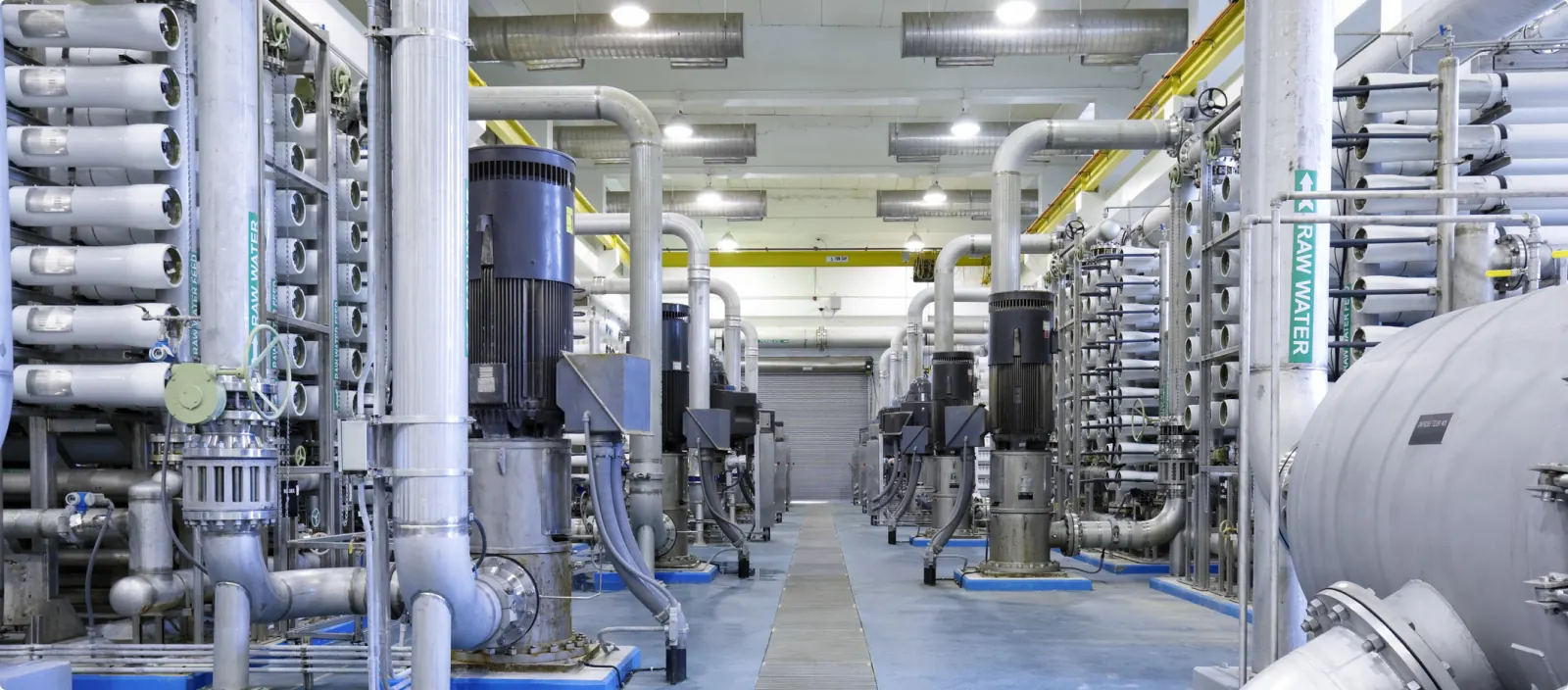
Feed pressure needed to push seawater through the membrane
Of seawater feed that comes out as freshwater
Membrane life when the feed is well treated
How the membrane works
A reverse osmosis membrane is a thin polymer film wound into a spiral inside a pressure vessel. Its pores are so small that water molecules pass through while dissolved salt ions, which carry a shell of water molecules around them, do not. The membrane does not filter in the ordinary sense; it separates at the scale of molecules, using pressure as the driving force, and the smaller the molecules it must reject, the tighter the membrane and the higher the pressure. Larger molecules, bacteria, and most organic compounds are held back as well, which is why permeate is so pure. Small neutral molecules such as boron and some dissolved gases are the exceptions, and they are handled in post-treatment or with a second pass.
Membranes foul and scale, and treatment ahead of them is what prevents both. Fouling is the build-up of organics, bacteria, and particles on the surface; scaling is the precipitation of salts inside the membrane as the feed concentrates. Both raise the pressure needed and both are controlled by the treatment ahead of the membrane and by periodic cleaning. A membrane that is fed well-treated water lasts five to seven years; one that is not can be ruined in months. That is why the pretreatment process and the membrane are designed together, using the feed water analysis as the starting point for both.
The process, step by step
Intake
Seawater is drawn from an open ocean intake, a beach well, or a subsurface gallery, using pumps sized for the whole train and using the least power the site conditions allow. Groundwater comes from a well. The intake decides how clean the raw water is and therefore how much treatment follows.
Pretreatment
Suspended solids, algae, organics, and oil are removed by screening, coagulation, and filtration, often with ultrafiltration membranes. This treatment stage is the most underestimated part of a desalination plant. Antiscalant is dosed to stop salts precipitating inside the reverse osmosis membranes. Pretreatment protects the membranes and decides how long they last.
Reverse osmosis
High-pressure pumps push the pretreated water through spiral-wound membranes in pressure vessels. Typically 40 to 50 percent of seawater feed becomes permeate; the rest leaves as concentrate at roughly 1.5 to 2 times seawater salinity. Brackish water systems recover far more, 75 to 90 percent, because the pressure and the salinity are lower.
Energy recovery
The concentrate leaves the membranes still at high pressure. Energy recovery devices transfer that pressure to the incoming feed, cutting the energy used by a seawater plant by more than half compared with early designs.
Post-treatment
Reverse osmosis permeate is very pure, slightly acidic, and corrosive to pipes, so it needs treatment of its own before use. Remineralization adds back calcium and alkalinity, and disinfection follows for drinking water. Process water users may skip remineralization and polish further for boiler feed.
Brine handling
The reject stream goes to an outfall, a well, a pond, or a recovery plant. This is the part most desalination proposals treat as an afterthought, and it is the part that decides whether the plant gets permitted.
| Stage | What it does | What decides its size |
|---|---|---|
| Intake | Brings raw water to the membranes | Source, water quality, marine ecology |
| Pretreatment | Removes solids, organics, biological fouling | Raw water quality; open intake needs more treatment |
| Reverse osmosis | Separates fresh water from salt | Salinity, temperature, recovery target |
| Energy recovery | Reuses pressure from the brine | Capacity, energy price |
| Post-treatment | Makes the water fit for its use | Drinking or industrial use |
| Brine handling | Disposes of or recovers the reject | Regulator, site, volume |
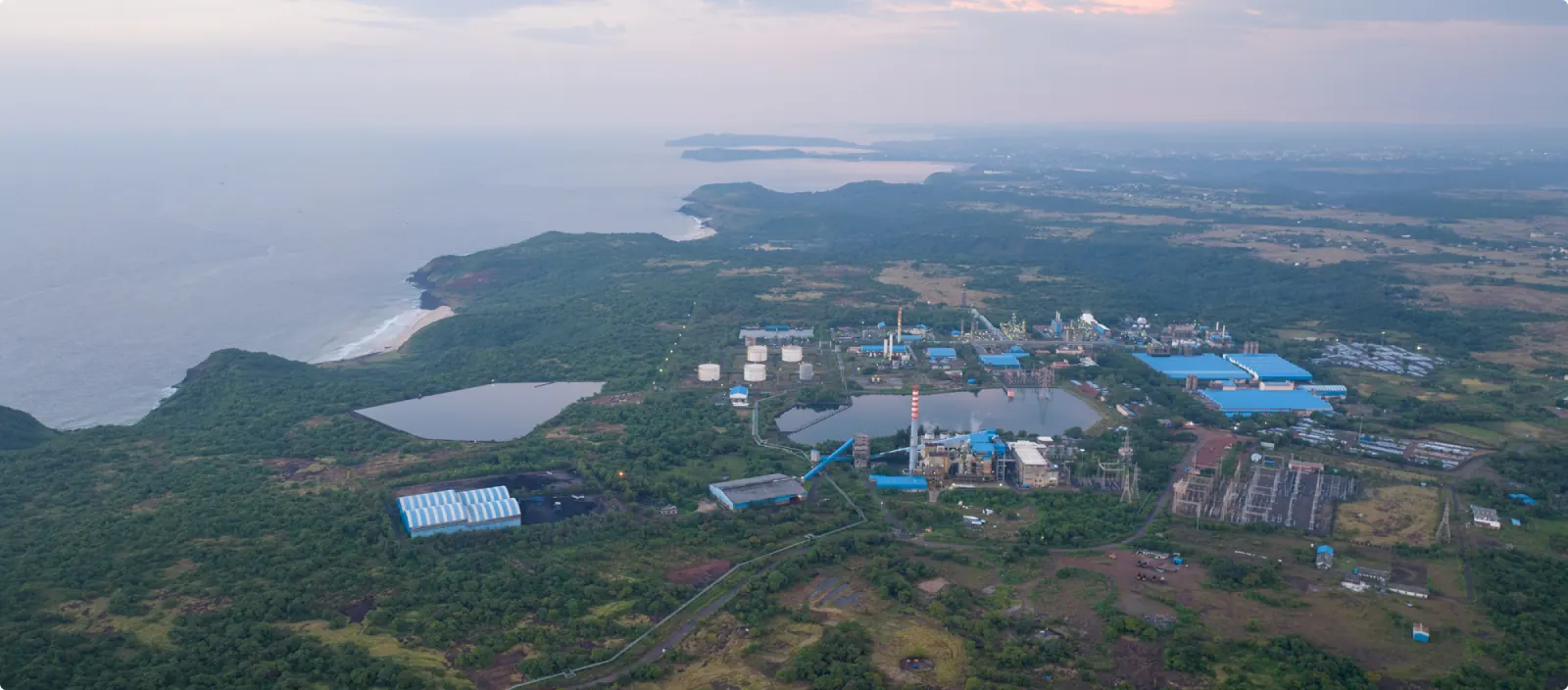
Desalination systems around the world
Reverse osmosis desalination plants now supply freshwater to cities and industries on every inhabited continent. The largest facilities in the Middle East produce hundreds of thousands of cubic meters a day. Island nations run their freshwater supply on such systems. Coastal industrial estates in Asia build desalination plants because the freshwater is reserved for people. And thousands of small systems, from resorts to mines to offshore platforms, make their own water using containerized units.
The growth has come with scrutiny. New projects face closer questions about intake, discharge, and energy than the ones built a generation ago, and the approval process and the design reflect that. It is the reason our work starts with the permit map rather than the equipment list.
Distillation, membranes, and solar desalination
Desalination takes the salt out of seawater or brackish water to make fresh water. There are two families of technology. Thermal desalination boils or evaporates the water and condenses the vapor, which is distillation, the same principle as rain. Membrane desalination pushes the water through a membrane that holds the salt back.
Distillation
Distillation came first. Multi-stage flash distillation and multi-effect distillation were the methods used by large desalination plants in the Gulf states for decades, usually built beside power stations that supplied the steam. Multi-stage flash distillation heats seawater and lets it flash to vapor in a series of chambers at falling pressure. Multi-effect distillation reuses the heat of each stage to evaporate water in the next. Both produce very pure water, and both tolerate poor feed water well. Distillation is still used on ships and offshore platforms, where waste heat from the engines is free.
Why membranes took over
The drawback of distillation is energy. Boiling water takes far more heat than pushing it through a membrane, so thermal desalination only pays where heat is cheap or free. That is why new projects almost everywhere choose membranes, and why distillation now appears mainly in two places: at existing plants in the Middle East, and in the final concentration stage of brine recovery, where membranes cannot go further.
Solar desalination
Solar desalination is the third route, and the one most tied to climate. Small solar stills use the sun to drive distillation directly. Larger facilities run membrane systems on solar electricity, or use solar heat for thermal stages. Solar power makes desalination cheaper to run in the sunny, dry regions where it is most needed, and it answers the main climate objection to desalination, which is the carbon footprint of the electricity. Our project in Indonesia plans to use solar heat alongside recovered heat in its concentration stage for that reason.
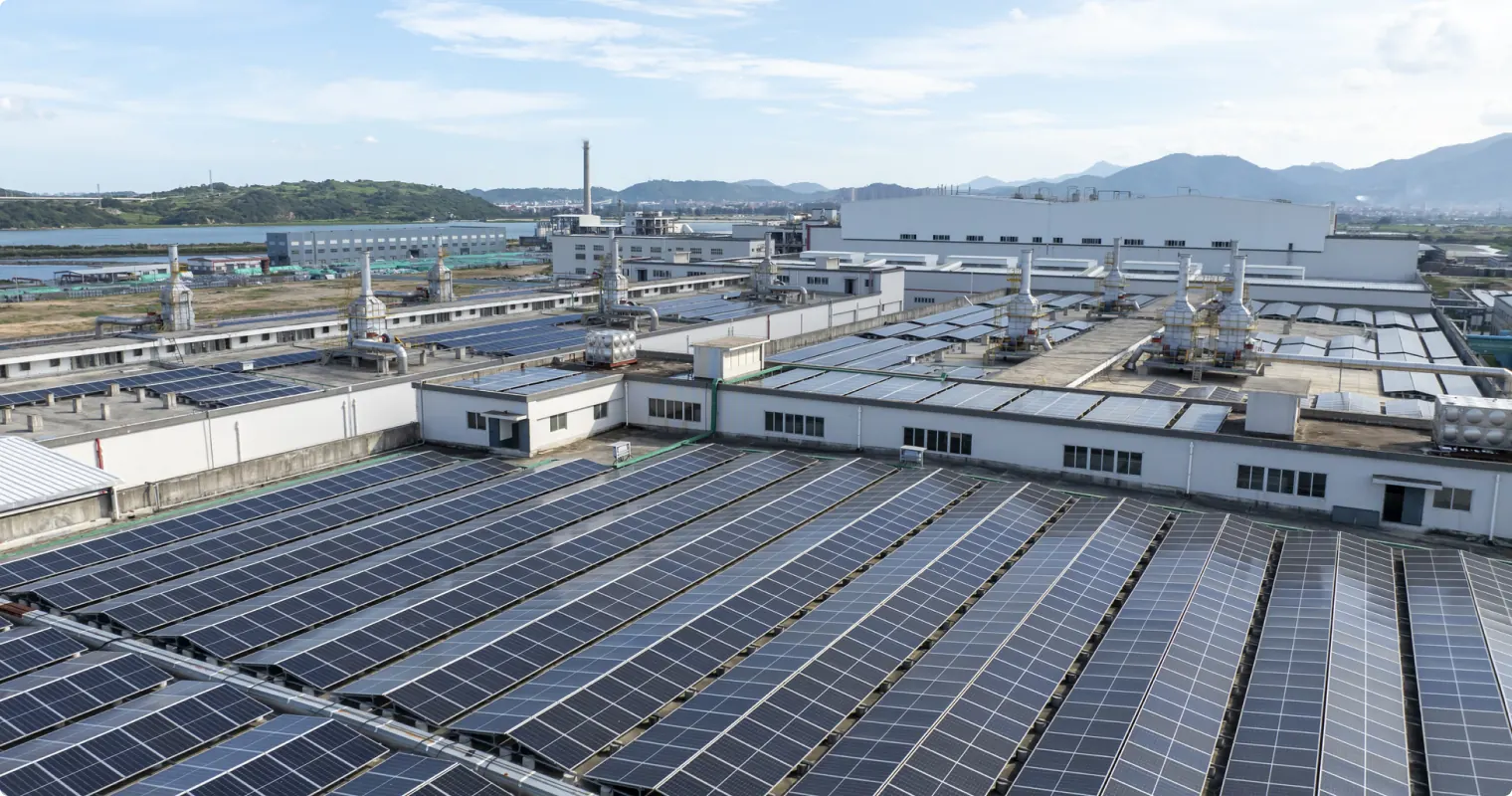
A changing climate is also the reason demand is growing. Droughts are longer, rivers and aquifers are being drawn down faster than they recharge, and the ocean is the one source of freshwater that does not run dry. For coastal industry and coastal cities, desalination has moved from a last resort to part of ordinary water resources planning.
Desalination in the United States and California
Gallons of freshwater a day from the Carlsbad plant in San Diego County
The year the Coastal Commission refused a permit for a large plant at Huntington Beach
Of desalination plants in the United States, most treating brackish groundwater
The United States has hundreds of desalination plants, most of them small and most of them treating brackish groundwater rather than seawater, many in the warm, dry climate of the southwest, where water resources are scarce. Florida, California, Texas, and Arizona account for most of the capacity. Nearly all of them use membranes rather than distillation, which is now used mainly where heat is free.
California is where seawater desalination meets the strictest review. The Carlsbad Desalination Plant in San Diego County, the largest seawater plant in the United States, produces about 50 million gallons of freshwater a day for the county’s water authority. Other California projects have gone the other way: in 2022 the California Coastal Commission refused a permit for a large plant proposed at Huntington Beach, largely over its open ocean intake and its effect on marine life.
The rules behind those decisions are worth knowing for any coastal project. California’s Ocean Plan, administered by the State Water Resources Control Board, requires a new seawater plant drawing ocean water to show that it chose the best available site, design, technology, and mitigation, to use a subsurface intake where that is feasible, and to keep the salinity of its discharge within a set limit at the edge of a small mixing zone. The California Coastal Commission reviews the same project separately for its coastal effects. Other states have no rule as detailed, but regulators everywhere now read California’s approach.
Inland, the pattern is different. El Paso, Texas, runs one of the largest inland brackish desalination plants in the world, and inland systems across the southwest send their concentrate to deep injection wells or evaporation ponds because there is no ocean to return it to. As climate change and drought reduce Colorado River supplies, more utilities and industries in the United States are adding desalination to their long-term water resources plans.
We work on projects in the United States and around the world. On a California project that means the Coastal Commission, the State Water Resources Control Board, and the regional water board; elsewhere the agencies differ, but the questions are the same. We sequence the approvals alongside the engineering, so the review does not set the schedule.
Seawater, brackish water, and process feeds
Reverse osmosis handles three broad kinds of feed, and the system looks different for each.
Seawater has 35,000 milligrams per liter of dissolved salts or more. It needs the highest pressure, the most pretreatment if the intake is open, and produces the most concentrate per cubic meter of product. It is the source for coastal facilities of every size, factory and municipal.
Brackish groundwater has 1,000 to 10,000 milligrams per liter, sometimes more. It needs less pressure and less treatment ahead of the membranes, recovers more water, and produces less concentrate, but the concentrate has nowhere obvious to go inland. Brackish desalination is growing fastest in dry regions with saline aquifers, and we cover it in our article on brackish water desalination.
Process feeds range from surface water treated for factory use to wastewater reused after treatment. The same membranes do the work; the pretreatment and the permits differ.
How we run a desalination project
Our sequence is the same whether the client wants 500 cubic meters a day for a resort or 50,000 for an industrial estate.

Step 1: Get the water analysis
The single most decisive input on any desalination project is the physical and chemical analysis of the feed water: salinity, composition, and temperature. It drives the sizing of the reverse osmosis units and of any concentrator, and it determines the treatment ahead of the membranes. On a modular seawater package we recently scoped for a client, that analysis was the first item on the list of data needed before the estimate could be firmed up, ahead of everything else.
Site elevation comes next, because it sets the pumping power. Then the electricity tariff, and whether waste heat is available on site. Those four facts turn a budget number into a design.
Step 2: Size the system and its footprint
Modern seawater desalination is supplied as prefabricated skids that travel in standard shipping containers. A modular package covering pretreatment, reverse osmosis, and post-treatment with remineralization can occupy a footprint in the order of 250 to 350 square meters including access, comparable to a small number of containers side by side. Pretreatment is usually arranged outdoors; the reverse osmosis modules, electrical panels, and chemical dosing can stay inside their containers if no building is constructed.
That compactness changes projects. A resort, a mine, or a factory can add a desalination system without a civil works program, and capacity can grow by adding skids. Detail engineering plus supply for a package of that kind takes about a year.
Step 3: Plan the brine
Every cubic meter of seawater permeate leaves roughly a cubic meter of brine. On our large industrial project in Indonesia, the seawater facility rejects tens of thousands of cubic meters a day. That stream is planned as the feedstock for a salt and chemicals recovery operation with no liquid returned to the sea. On a small package the brine may go back to the sea through a diffuser, or to a well, or be concentrated to close the loop. On the smaller modular package, brine valorization, purification and concentration to 300 grams per liter, was scoped as a separate stage that closes the zero liquid discharge loop.
Whichever route fits, it is designed with the package. Our brine management page explains how, and our guide to the environmental impact of desalination covers what the regulator will ask.
Step 4: Map the approvals
A desalination facility touches more agencies than most projects. The intake needs approval for its effect on marine life or on the aquifer. The discharge needs a permit with salinity limits and often dispersion modeling. The land, the construction, and the electrical connection have their own approvals. In the United States, coastal facilities add coastal zone consistency and, for drinking water, state drinking water approval. Outside the United States, an environmental impact assessment or management plan is usually the gateway; in Indonesia that is the AMDAL or UKL-UPL pathway, mapped for the specific facility.
We list every approval, the agency, the study it needs, and the order. Then we sequence the approvals alongside the engineering so neither waits on the other. Our environmental permitting services page covers how we run multi-agency filings.
Step 5: Select proven technology
We do not manufacture desalination equipment. We specify and source the reverse osmosis package that fits the water and the permit, and only packages that are operating at reference plants. On the brine side we go further: our technology partner’s modular chlor-alkali plants are in commercial operation around the world, and we engineer, procure, build, and commission them.
Step 6: Sequence the work
Readiness reviews before shipment, before installation, before energization, and before performance testing. Commission only when the site, the utilities, the intake, the discharge route, and the operating team are ready. A desalination system finished before its discharge permit is approved cannot operate.
What a desalination system costs
There is no single number, and anyone who gives you one without your water analysis is guessing. We do not publish project prices. What we can say is what moves them.
A modular package price typically covers supply and detail engineering of the pretreatment, reverse osmosis, and post-treatment. It typically excludes civil works, the marine intake, the electrical connection, and concentrate handling. Owners who compare package prices without checking those exclusions compare the wrong numbers. We go through the whole cost structure in our guide to desalination plant costs.
Capacity. Feed salinity and temperature, because they set the pressure and the membrane area. The intake, because an open ocean intake needs far more pretreatment than a beach well. Energy price, because power is the largest operating cost and energy recovery is the largest capital lever. The discharge route, because an outfall, a well, and a recovery facility are three entirely different projects. And the product water use, because drinking water needs remineralization and disinfection and process water may need polishing instead.
kilowatt-hours per cubic meter of water from a modern seawater reverse osmosis plant
Energy: the number that decides operating cost
Seawater reverse osmosis needs roughly 3 to 4 kilowatt-hours of electricity per cubic meter of water produced at a modern facility with energy recovery, and less for brackish water. That is far below thermal desalination, but it is still the largest line in the operating budget, and it is why the electricity tariff is one of the first three numbers we ask for.
Waste heat does not help a reverse osmosis system directly, since the process runs on pressure rather than heat. It helps enormously on the concentrate side, where concentration and evaporation are thermal. Renewable power helps both: a reverse osmosis system on solar or wind has a low carbon footprint, and regulators increasingly ask about the power source alongside the water and salt balance.
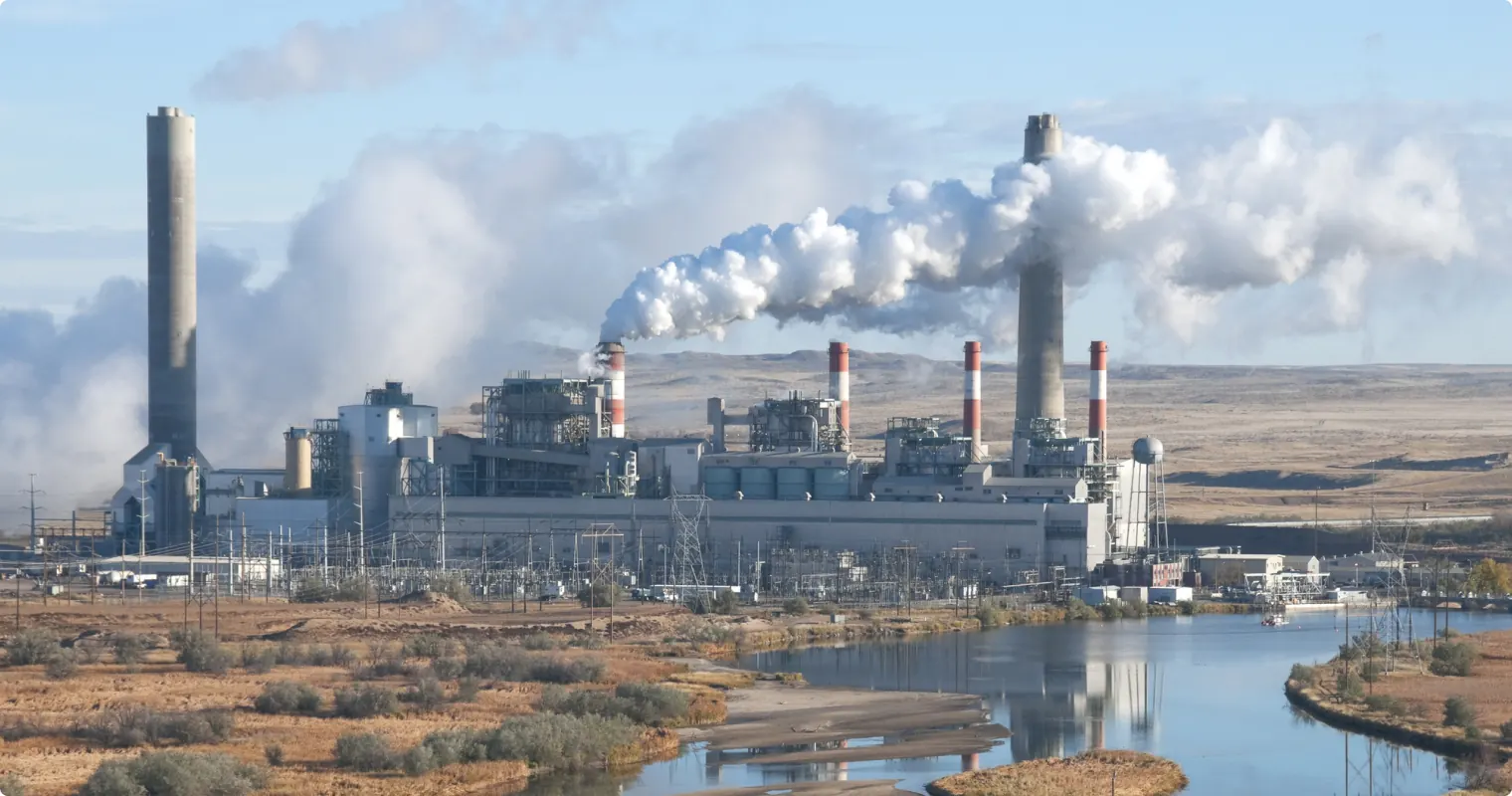
Desalination for industry
Public attention usually goes to municipal desalination, but most of the projects we see are industrial: a smelter, a refinery, a chemical works, a power station, or an industrial estate that needs process water where freshwater is scarce or reserved for the population.
Industrial desalination has its own logic. The product water specification is set by the process rather than by drinking water rules, which can simplify post-treatment or make it stricter. The concentrate often has a use nearby, in a chlor-alkali facility or a salt recovery operation, which is how our project in Indonesia began. And the permitting is tied to the industrial site’s other permits, which means the desalination system is reviewed as part of a larger facility rather than on its own. That can help, when the site already has an environmental approval to amend, or hurt, when the brine changes the site’s discharge picture.
Desalination for food, beverage, and hospitality
Food and beverage producers and resorts are a growing share of small-scale desalination. A food processing site on a coast or an island needs consistent freshwater for washing, cooking, and steam, and a resort needs it for guests, laundry, and landscaping. Both are often at the end of a municipal supply that cannot grow, and both are using more water every year.
The design differs from industrial process water in two ways. Food and beverage uses need drinking water quality or better, so remineralization, disinfection, and food safety certification are part of the package, and food producers often add a second pass for particular product lines. Food safety auditors will ask to see the water quality records. And the demand is often seasonal, so the plants are sized for peak and turned down in the off-season, which affects membrane care. Using a containerized unit with a modest footprint and adding capacity as the business grows is the usual pattern.
Reusing wastewater alongside desalination
Desalination is not the only way to get freshwater on a dry site, and it is rarely the cheapest. Treating and reusing the site’s own wastewater usually costs less per cubic meter of freshwater than desalinating seawater, because the wastewater is less salty. Industrial sites that combine wastewater reuse for low-grade uses with desalination for high-grade uses can cut the desalination capacity they need.
We look at wastewater reuse on every desalination project for that reason, using the same water balance. Where the site’s wastewater is already saline, the two systems merge: the reject from reuse joins the concentrate from desalination and the two are handled together. Our guide to industrial water reuse covers that side.
Treating and reusing the site’s own wastewater usually costs less per cubic meter of freshwater than desalinating seawater.

Engineering a new desalination system
Detail engineering is where the feasibility briefing becomes a buildable design: the process engineering that sizes each stage from the water analysis, the mechanical and electrical engineering of the skids and their connections, the civil engineering of foundations, intake, and outfall, and the controls design. On a modular package most of the engineering is done by the supplier and reviewed by us on the owner’s behalf; the civil and site engineering stays with the owner’s local engineers.
New facilities raise engineering questions that older ones did not: energy recovery efficiency, remote monitoring, and concentrate recovery options. We make sure those questions are answered in the design, not discovered in operation, and that any new element is tested and bounded rather than folded into the guaranteed part of the plant.
Mistakes we see on desalination projects
Buying the equipment before analyzing the water
The package was sized on typical seawater and the real feed was warmer, saltier, or full of algae.
Treating brine as an afterthought
The system was designed, the outfall was assumed, and the discharge permit set a salinity limit the diffuser could not meet.
Comparing package prices without the exclusions
Civil works, intake, and concentrate handling doubled the number.
Ignoring the intake
An open intake in a biologically rich bay triggered a marine study nobody budgeted for, when using a beach well would have avoided it.
Underestimating what the site must provide
Land, civil works, power, and permits stay with the owner, and the schedule slipped at the interface.
Skipping the reference plant visit
The technology was new, the vendor was persuasive, and the first year was spent commissioning.
What working with us looks like
Send us your feed water analysis if you have one, the volume of water you need, the site, and what the water is for. If you do not have an analysis, getting one is the first task and we will tell you what to sample for. We come back with a feasibility briefing, a system concept with capacity and footprint, a brine plan, a regulatory map, a recommended modular package with operating references, and a project schedule to first water.
Where the project grows into brine recovery or zero liquid discharge, our zero liquid discharge page covers that work. Most large desalination projects we see end up there.

Frequently asked questions about desalination
How much fresh water does desalination recover from seawater?
Typically 40 to 50 percent of the feed becomes fresh water. The rest is concentrate at roughly 1.5 to 2 times seawater salinity. Brackish water systems recover 75 to 90 percent.
How much energy does seawater desalination use?
Roughly 3 to 4 kilowatt-hours per cubic meter at a modern reverse osmosis plant with energy recovery, less for brackish water, and more for small plants without energy recovery devices.
How long does a desalination project take?
A modular package can be engineered and delivered in about a year. Permitting runs alongside and can take as long or longer, depending on the intake, the discharge, and the country. Large facilities with environmental impact assessments are multi-year programs.
Can a desalination plant be zero liquid discharge?
Yes, by concentrating the brine and recovering salt and water, as on our project in Indonesia. It adds a second facility to the first, with its own electricity supply and permits, and it makes sense at scale or where the regulator leaves no other route.
Does a modular package need a building?
Not necessarily. The reverse osmosis modules, electrical panels, and chemical dosing can stay inside their shipping containers, with pretreatment arranged outdoors under a simple canopy. A building is added where the climate, the noise rules, or the owner’s standards call for one, and it is usually a small one.
Is desalinated water safe to drink?
Yes, after remineralization and disinfection. Reverse osmosis permeate is purer than most drinking water sources; the post-treatment adds back the minerals that make it stable and palatable.
In short
Membrane desalination is proven, modular, and available at any scale. Projects are decided by the water analysis, the brine plan, the price of power, and the approvals. We settle those before the equipment is chosen.
Call (470) 714-8564 or request a consultation. Permitting Plus, 8014 Cumming Highway, Suite 403, Office 288, Canton, Georgia 30115.
Articles on desalination
Three guides on what desalination costs, desalinating salty groundwater, and the environmental review every project faces.
What a desalination plant costs to build and run: capital, power, membranes, intake and brine, and the site details that move the numbers.
How brackish water desalination turns saline groundwater into supply, where the concentrate goes inland, and what the permits involve.
What the intake, the brine discharge and the power use do to the environment, and how permits and design address each.