Who This Is For
Electrical Contractors
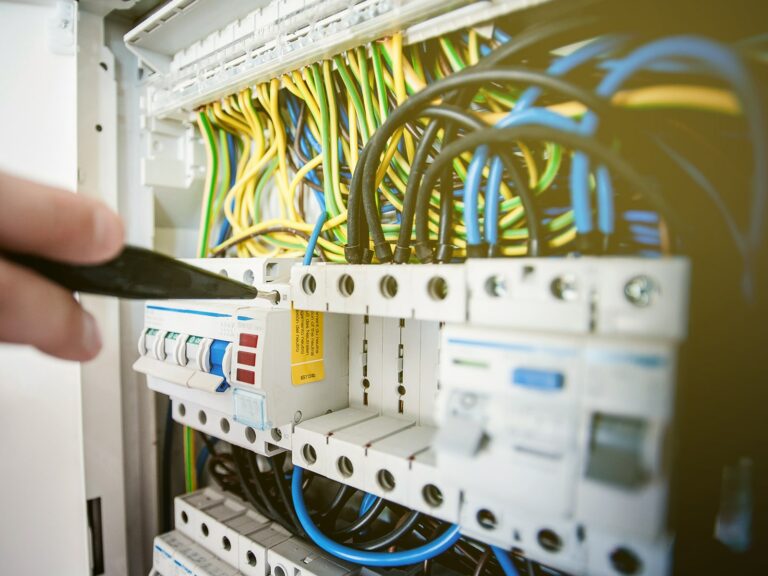
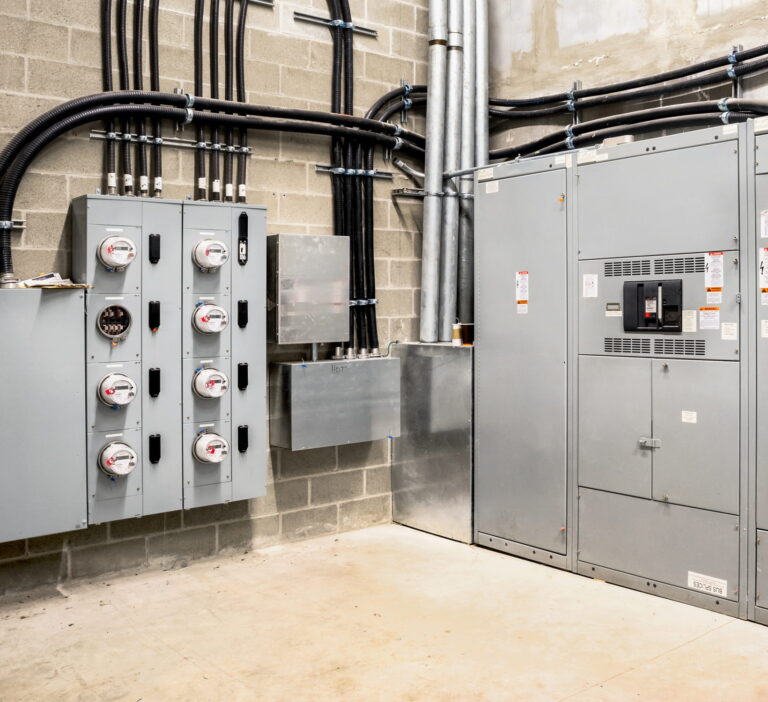
Electrical permits stall for predictable reasons: load calculations flagged, panel schedules missing, mismatched scope descriptions, incorrect valuation thresholds. None of it dramatic. All of it delay-causing.
When you file internally, your office manager becomes a part-time code interpreter. When comments come back vague, your project manager burns time trying to decode what the reviewer actually wants. Meanwhile, crews are scheduled and materials are already ordered.
We align your scope, drawings, and application before submission. When comments come in, we translate them into clear, direct action items and resubmit correctly the first time. Your install schedule stays intact. Your license stays protected.
Plumbing Contractors
Plumbing permits are detail-driven. Fixture counts, gas line sizing, water heater specs, backflow documentation — municipalities will hold a permit for one missing sheet buried in a PDF.
Doing it yourself works until it doesn’t. One overlooked attachment can reset review timelines and push inspections back, which pushes everything else back with it.
We package the submission correctly from the start and manage revision cycles tightly. That means fewer surprises, fewer resubmittals, and a straight path to rough and final inspections.
HVAC & Mechanical Contractors
Mechanical permitting lives in the fine print. Equipment model numbers, energy forms, duct layouts, tonnage verification, ventilation calculations. If one value doesn’t align, it goes back to review.
Internal teams often submit quickly and fix later. The problem is “later” usually means another two-week queue.
We verify documentation against jurisdiction requirements before filing. If comments are issued, we respond in the exact format reviewers expect. The result is fewer loops and faster approvals.
Roofing Contractors
Roofing permits look simple. Then wind load calculations, product approvals, or fastening patterns get flagged and the project pauses mid-schedule.
Contractors who manage this internally end up chasing product documentation or clarifications while tear-off dates are already set.
We confirm required approvals, attachment details, and valuation thresholds before submission. If a jurisdiction requests clarification, we handle it fast so install dates don’t slide because of paperwork.
Why Trade Permits Stall Projects
Trade permits don’t usually fail because the work is unsafe. They stall because the submission doesn’t match the system.
Common stall points include incorrect permit type selection, scope descriptions that don’t align with drawings, missing contractor license verification, valuation discrepancies, or incomplete documentation uploads. Each one triggers a review hold. Each hold restarts the clock.
Jurisdictions rarely explain the full issue in plain language. You get a short comment. Maybe two lines. It’s your job to interpret it correctly and respond in the exact format they expect.
That’s where most delays happen.
Permitting Plus handles trade permit friction before it becomes schedule damage. We’ve seen the patterns. We know where reviewers pause. We adjust before submission instead of reacting after rejection.
How Our Trade Permitting Process Works
Step 1: Scope Alignment
We review your scope, drawings, specs, and jurisdiction requirements. This is a practical check to confirm the permit type, subcategory, and documentation match the actual work being performed.
Clean alignment at this stage prevents the majority of review comments.
Step 2: Structured Submission
We prepare and file the application according to the specific municipality’s process. Some require portal uploads. Some require form sequencing. Some still operate entirely through PDFs.
We follow their system, not ours.
Everything is packaged correctly before submission so the review queue moves forward instead of sideways.
Step 3: Plan Review Management
If comments are issued, we coordinate the response process. That means clarifying what the reviewer is actually asking for, gathering required revisions from your team, and submitting in the correct format.
No guessing. No vague resubmittals that trigger another round.
Step 4: Approval, Inspections, and Closeout
Once approved, we track inspection scheduling and keep the permit active through final. If revisions are required mid-project, we process them quickly to avoid compliance issues or failed inspections.
The file closes cleanly. No loose ends.
Trade-Specific Permitting vs. Full Project Permitting
Trade permitting focuses on one licensed discipline. It is narrower than full construction permit management, but it still requires precision.
You may already have a general contractor managing the master permit. That does not eliminate the need for accurate trade-level submissions. Electrical, plumbing, and mechanical permits often require separate tracking, documentation, and inspections.
We integrate with your existing project structure without overcomplicating it. You stay in control of the job. We manage the paper trail attached to your license.
Why Contractors Use Permitting Plus for Trade Permits
Trade contractors do not outsource permits because they cannot do them.
They outsource because it saves time, prevents avoidable delays, and protects schedule reliability. When your crew is booked out weeks in advance, one stalled permit disrupts everything downstream.
We operate like an extension of your office. No drama. No unnecessary escalation. Just structured, predictable progress through the system.
We have handled thousands of filings across multiple jurisdictions. Very little about trade permitting surprises us anymore.
Ready to Hand Off the Paperwork?
If you are pulling electrical, plumbing, HVAC, roofing, fire, gas, or low-voltage permits and you would rather not babysit them, this is built for you.
Send the scope. We will run the process.
Trade permitting, handled.